
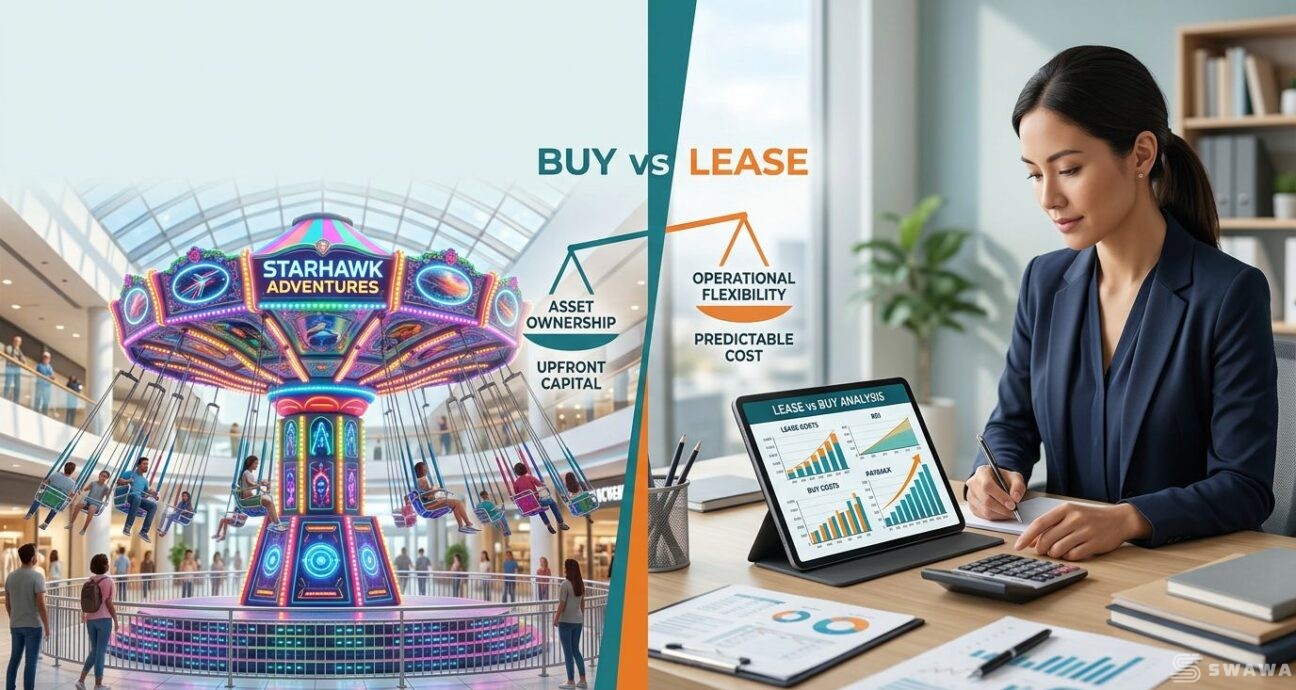
The leasing vs buying amusement equipment decision comes down to one factor: how long you’ll run the ride. Buying outright is the cheaper choice if you will operate it for three years or more, which describes most venue operators. Leasing, financing, or renting only wins when your cash is tight, your use is genuinely short-term, or you need to test a site before committing. The break-even point usually lands somewhere between month 24 and month 36.
That sounds simple. It isn’t. Most “lease vs buy” advice was written for office laptops and US tax code, and it falls apart the moment you’re importing a $42,000 themed ride to Tashkent, Lagos, or Almaty.
Here is the part nobody tells small-to-medium investors in emerging markets: the equipment leasing companies that dominate this conversation almost exclusively finance US-domiciled operators. If your venue sits in Central Asia, the Middle East, or Africa, those products are usually not on the table at all. So the real decision you face is rarely “lease vs buy.” It is “pay cash vs use factory-direct payment terms.” This guide gives you the actual five-year math, names the trade-offs honestly, and shows you a third option most buyers miss.
Key Takeaways
– Buying wins on total cost for any ride you will run 3+ years; leasing or financing only beats it under 24-36 months of use or when preserving cash is critical.
– Swawa engineers its small-to-medium rides around a 12-to-24-month payback in emerging markets, often faster than a typical lease term (24-72 months), so you can own free-and-clear before a lease would even end.
– Annual maintenance runs 3-5% of the ride price, a real cost that applies whether you lease or buy, so factor it into both columns.
– For most non-US buyers, Western equipment leasing is inaccessible; the practical “low cash” path is manufacturer milestone terms (T/T 30/70, seasonal or deferred payments).
– Mobile Foundation rides give you the relocate-anytime flexibility people chase when renting, while you still build equity by owning the asset.
First, Untangle What “Leasing” Actually Means
Before you can answer the cost question, you have to separate three different decisions that buyers lump together under one word. Each one has a different answer.
- Renting a ride. You pay a short-term fee to a rental or event operator and hand the ride back. Pure flexibility, zero ownership, highest cost per operating month.
- Leasing or financing. A bank or finance company funds the purchase and you repay over 24 to 72 months, often with a buyout at the end. You are paying for capital, not for a service.
- Leasing the floor space. This is real estate, like a mall unit, and has nothing to do with the equipment itself. We will set it aside here.
This article is about acquiring the equipment, so we focus on renting and financing against buying outright. Keep the three straight, because confusing “renting for a weekend festival” with “financing a permanent anchor attraction” is how operators talk themselves into the wrong capital decision.
| Rent | Lease / Finance | Buy outright |
|---|---|---|
| Upfront cash | Lowest | Low (deposit) |
| You own it at the end | No | Usually, with buyout |
| Best for | Events, festivals, 1-6 months | Tight cash, 1-3 years |
| Cost per operating month | Highest | Medium |
Want a payment plan modeled around your specific ride and cash position? Talk to a Swawa engineer and we will build the numbers with you, free, before you commit to anything.
The Case for Buying Amusement Equipment Outright
Buying gives you the asset. Once the ride clears its payback period, every ticket after that is close to pure profit, not a payment to a lender. That is the whole game for a small investor.
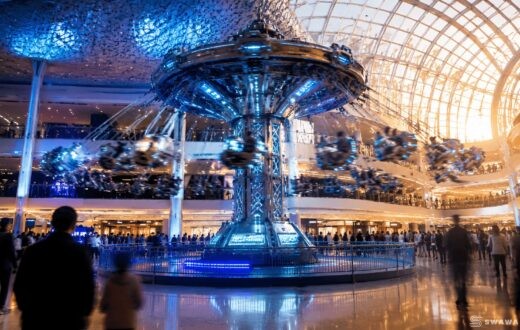
Picture a simple, illustrative case: an operator buys a 36-seat themed flying chair factory-direct. At a modest ticket price and steady mall traffic, the ride works through its payback window, and after that point the takings stop going toward a purchase and start funding the next attraction instead. There is no monthly payment dragging on cash flow. That is the structural advantage ownership gives a small investor, and the numbers in the comparison table below show why.
The advantages of buying stack up for permanent venues:
- Post-payback revenue is yours. No lender takes a cut once the ride has paid for itself.
- Customization and IP theming. You can only theme and brand a ride you own. Leased or rented units come as-is.
- Resale and collateral value. A well-maintained, certified ride holds value on the second-hand market and can back future financing.
The honest drawbacks are real too. Buying takes a large bite of capital upfront, and you own every maintenance task, spare part, and off-season storage decision. That second point is the objection that pushes nervous buyers toward leasing, and it is also the one we engineered away.
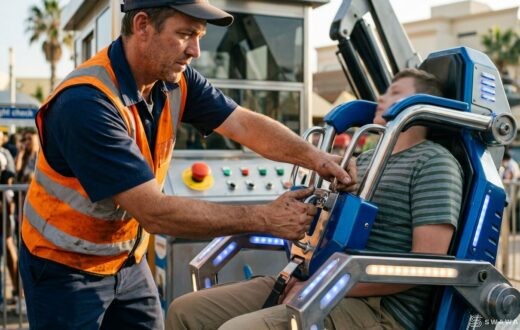
When a part wears out 8,000 km from the factory, the fear is weeks of downtime waiting on airfreight. That’s exactly why every Swawa ride ships with a Spare Parts Kit and remote support sized for about 12 months of operation, covering roughly 95% of common wear scenarios, plus a Video Support Center that responds within 24 hours. So the biggest reason to lease instead of buy, the maintenance burden, mostly disappears when the spares and the support arrive in the same container as the ride.
The Case for Leasing, Renting, or Financing
Leasing is not a trap. For the right situation it is the smart move, and pretending otherwise would not serve you. The core benefit is cash preservation: you start operating with a small deposit instead of draining your working capital, which matters enormously for startups and operators with seasonal cash flow.
The genuine advantages:
- Low upfront cash. A deposit instead of the full price keeps capital free for theming, marketing, or a second ride.
- Flexibility. Renting suits events, festivals, and short-term mall campaigns where you do not want a permanent asset.
- Operating-expense treatment. In some markets, lease payments are a deductible operating expense rather than a capital expenditure (confirm this with a local accountant; the well-known US Section 179 rules do not apply outside the United States).
The drawbacks are equally honest. Leasing almost always costs more over the full term, because you are paying for capital on top of the equipment. You build no equity. Customization is limited or impossible. And for renters specifically, seasonal availability can leave you without a ride exactly when demand peaks.
This is the leasing trap worth doing the arithmetic on. An operator who rents the same ride season after season can easily pay cumulative fees that exceed the purchase price within a few years, and still own nothing at the end. The monthly figure feels affordable; the multi-year total quietly punishes you. Rent when the need is genuinely short-term, not as a default for a ride you will run for years.
Leasing vs Buying Amusement Equipment: A Five-Year Cost Comparison
Here is the math the other guides skip. We will use a representative $42,000 themed ride and compare paying cash against a 48-month finance arrangement. Treat the figures as illustrative; the shape of the comparison is what matters, and your exact numbers depend on your ride, freight, and local financing.
| Buy outright (cash) | Finance / lease (48 months) |
|---|---|
| Upfront | 6,300-0 |
| Financing cost over term | 10,000-8,400 |
| Own it at the end? | Yes, from day one |
| Best for | 3+ year operation, capital available |
The buyer saves roughly $12,000 over five years in this scenario, the cost of the financing. But notice the timing detail that changes everything: Swawa engineers its small-to-medium rides around a 12-to-24-month payback window in emerging markets, where a well-placed ride and a sensible ticket price do the work. That means a cash buyer often owns the ride free-and-clear and is banking pure margin long before a 48-month lease would even finish. (For broader attraction-economics context, industry bodies such as the global attractions association IAAPA publish operating benchmarks worth reviewing.)
So the break-even between the two paths typically lands around month 30 to 36. Run the ride longer than that, and buying wins clearly. Run it shorter, or value cash flexibility more than total cost, and financing earns its premium.
Maintenance is the line item both columns share, so do not let a salesperson use it to scare you toward a lease. Annual upkeep is commonly estimated at a few percent of the ride price (often cited in the 3-5% range), and it is the same real cost whether you own or finance. A productized Spare Parts Kit keeps that number predictable instead of surprising.
Why “Leasing” Looks Different for Emerging-Market Operators
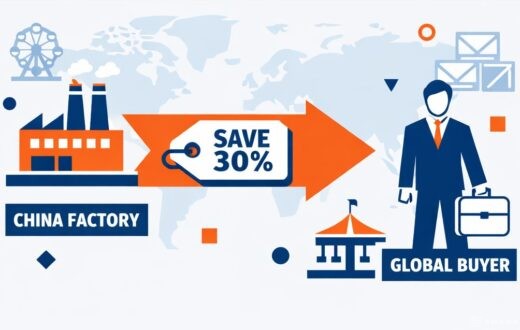
This is where generic advice stops being useful. The financing companies that own the search results for “amusement equipment leasing” are built for US operators with US credit histories. A buyer in Kazakhstan, Nigeria, the UAE, or Uzbekistan usually cannot access a Crestmont or KLC lease, full stop.
So your practical toolkit is different, and it comes from the manufacturer, not a bank:
- Telegraphic Transfer (T/T) milestones. The industry standard is 30% deposit and 70% before shipment, which spreads your outlay across the production window instead of demanding everything upfront. Where formal leasing does exist, terms typically run 24 to 72 months, the same ranges published by the Equipment Leasing and Finance Association.
- Letter of Credit (L/C). Bank-guaranteed terms for higher-value orders, protecting both sides.
- Seasonal and deferred structures. Some buyers arrange payment timing that aligns with their revenue peaks, so the largest obligations hit when the ride is actually earning.
One non-negotiable underpins all of it: recognized safety certifications such as CE, TÜV, ASTM, and SABER. They unlock any financing a lender will consider, and they preserve the ride’s resale and collateral value. Equipment without them is hard to finance and hard to resell. As the official global brand of Zhongshan Amusement Equipment Industrial Park, with 100+ rides delivered across 20+ countries and 10+ design patents, Swawa provides the certification documentation and milestone terms that make factory-direct buying workable even where Western leasing is not.
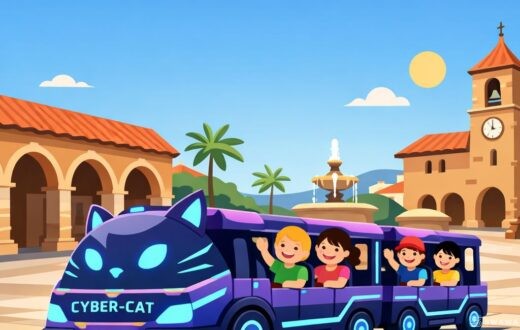
There is also a genuine third option that beats both renting and financing for many operators: Mobile Foundation rides. Because they need no permanent concrete pour, you can deploy in a rented space and relocate the ride when a lease ends or a site underperforms. You get the relocate-anytime flexibility people chase when they rent, while you still own the asset and build equity. It is the answer to “I want to stay flexible” that does not require setting your money on fire every month.
How to Decide: Five Questions That Settle It
Run your situation through these five questions. The answers point you clearly toward buy, finance, or Mobile Foundation.
- How many years will you run it? Three or more, buy. Under two, lease or rent.
- How tight is your cash right now? If buying outright would starve your marketing or theming budget, manufacturer milestone terms preserve the cash you need to actually fill seats.
- Do you need to relocate or test a site? If yes, a Mobile Foundation ride gives flexibility without the rental cost penalty.
- Do you need custom theming or IP? You cannot lease a bespoke, branded ride. Custom theming requires ownership or an OEM/ODM build.
- Can you access real financing in your country? If Western leasing is off the table, your “low cash” path is factory milestone terms, not a lease product that does not exist for you.
For most small-to-medium investors running a permanent venue, the honest answer is: buy factory-direct, use milestone payment terms to manage the cash, and choose a Mobile Foundation model if you want the option to move. You get the lowest total cost and you keep the asset.
Ready to see the numbers for your venue? Send us your floor plan and target ride, and we will return a free 3D rendering plus a payment plan built around your cash flow. Start your project with Swawa.
Watch: See Swawa Rides in Action
Seeing a ride install, run, and earn makes the payback math concrete. Browse factory walkthroughs, install footage, and themed-ride showcases on our official channel: Swawa on YouTube. Watching how a ride deploys and operates is the fastest way to judge whether owning one fits your venue and your cash-flow plan.
Frequently Asked Questions
Is it cheaper to lease or buy amusement equipment?
Buying is cheaper if you operate the ride for three or more years, which fits most permanent venues. In the illustrative example above, a cash buyer spends roughly 20% less over five years than someone financing the same ride, because there is no financing cost to carry. Leasing only wins when cash is tight or the use is short-term.
How long does it take an amusement ride to pay for itself?
Swawa designs its small-to-medium rides around a 12-to-24-month payback in emerging markets. Actual payback depends on ticket price, foot traffic, and the ride’s hourly capacity, so treat that as a planning range rather than a guarantee. Because it is often faster than a lease term, buyers frequently own the ride outright before a lease would have ended.
Can I finance amusement equipment if I am outside the United States?
Usually not through US leasing companies, which require US credit histories. The practical path for most international buyers is manufacturer milestone payment terms, such as a 30% deposit and 70% before shipment, sometimes with seasonal or deferred timing. Recognized certifications like CE and TÜV are essential for any financing.
What is the total cost of ownership for an amusement ride?
Total cost of ownership includes the factory price plus freight, installation, and ongoing maintenance of roughly 3-5% of the ride price per year. A Spare Parts Kit sized for about 12 months of operation makes that maintenance cost predictable rather than a series of emergency airfreight bills.
Does leasing avoid maintenance costs?
No. Maintenance of 3-5% of the ride price per year applies whether you lease, finance, or buy, unless you are short-term renting and the operator handles it. Do not let maintenance be the reason you choose a more expensive financing path, because a good after-sales program solves the underlying fear directly.
What if I want flexibility to move the ride later?
Choose a Mobile Foundation model. It needs no permanent concrete pour, so you can deploy in a rented or temporary space and relocate when leases or events change, while still owning the asset. It delivers the flexibility people associate with renting, without the cumulative cost.
The Bottom Line
For most operators, the math is clear. Buying amusement equipment outright is more cost-effective than leasing or renting whenever you will run the ride for three or more years, and because a well-placed ride is typically modeled to pay back within 12 to 24 months, you usually own it free-and-clear long before a lease would end.
To recap the decision:
- Buy when you run a permanent venue, can manage the upfront cash, and want the lowest total cost.
- Finance or use milestone terms when cash is tight but the venue is long-term.
- Rent only for genuine short-term needs like events and festivals.
- Choose Mobile Foundation when you want flexibility to relocate without paying the rental penalty.
The leasing vs buying amusement equipment question almost always resolves to ownership for the small-to-medium investor, especially once a Spare Parts Kit and 24-hour support remove the maintenance worry and milestone payment terms ease the cash crunch.
Want this modeled for your exact ride, site, and budget? Request a free quote and 3D site plan, or reach an engineer directly on WhatsApp at +8613342997671. We will show you the path to ticketed revenue, not just a price.
 English
  Russian
  Spanish
  Portuguese
  Arabic
  Japanese
  German